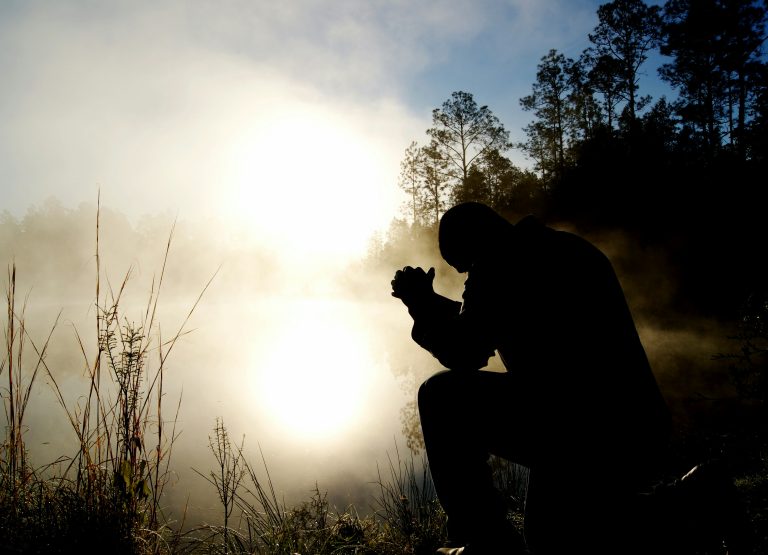
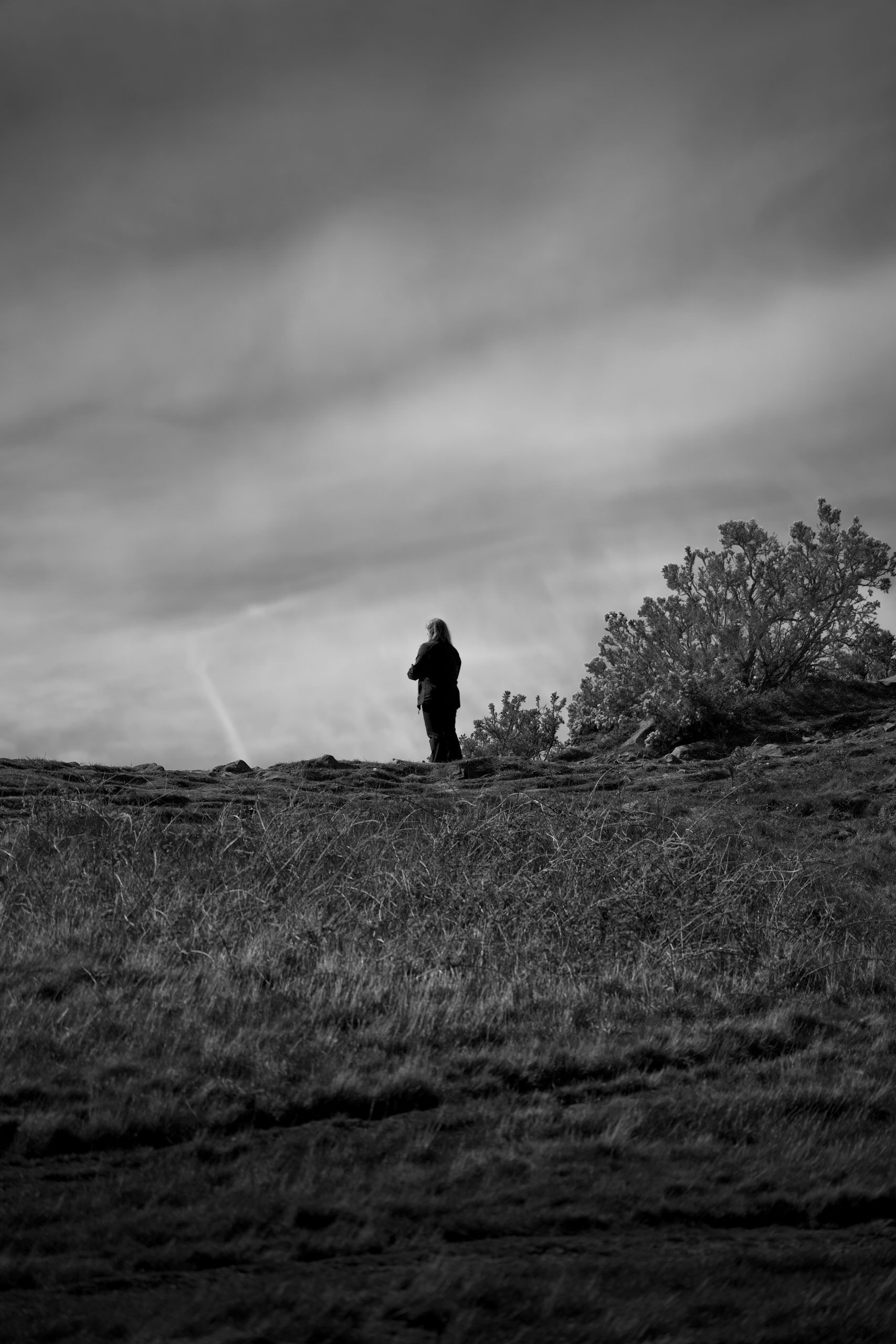
Names of God #1: El Roi: The God Who Sees Me
God has a name for when you feel invisible. It wasn’t coined by a theologian or a king — it was given to Him by a runaway servant girl, alone in a desert, at the lowest moment of her life. And it might be exactly the name you need to know today.
Prefer to watch? Here’s the 60-second version:
A Servant in the Desert
Genesis 16 introduces us to Hagar — an Egyptian servant with no rights, no voice, and no say in what her life had become. Mistreated by Sarai and carrying a child she didn’t ask for, she does the only thing left to a person with no options: she runs. Into the wilderness. Toward nothing.
Stop and feel how invisible she is in that moment. Nobody is searching for her. Nobody in the household is asking where she went. She is, by every earthly measure, a person the world has completely stopped seeing.
Except Someone sees her. The angel of the LORD finds her by a spring in the desert — finds her, the runaway servant, in the middle of nowhere — speaks to her by name, and makes her promises about her future and her son.
The Servant Who Named God
And then Hagar does something remarkable — something no patriarch, priest, or prophet had done before her in Scripture:
“She gave this name to the LORD who spoke to her: ‘You are the God who sees me,’ for she said, ‘I have now seen the One who sees me.'” (Genesis 16:13 NIV)
El Roi — the God Who Sees Me. Think about who got to give God this name. Not Abraham, the friend of God. Not Moses on the mountain. A foreign servant girl at rock bottom. God handed that honor to the most overlooked person in the story — which tells you something about El Roi before you even study the name.
And notice what the name is not. It’s not “the God who sees everything” — true, but distant, like a security camera. Hagar’s name is personal: the God who sees me. Not humanity in general. Not the crowd. Me, by name, in my specific desert.
For Everyone Who Feels Unseen
Maybe you know Hagar’s desert. Unseen at work, where your effort disappears into someone else’s credit. Unnoticed at home, where the serving has become so reliable it’s become invisible. Forgotten by people who should know better. New in a town where nobody knows your name yet.
El Roi sees you. Right now. Not scanning the crowd — looking at you. He saw the thing you did this week that nobody thanked you for. He saw the hurt you swallowed and didn’t mention. He sees the version of you that no one else has ever bothered to look for. And like Hagar discovered: being truly seen by God is not surveillance — it’s rescue. The seeing comes with promises.
Worship Him by Name
Here’s how to take El Roi into your time with God this week. In the Worship section of your daily worksheet, praise Him by this name specifically: “El Roi — You are the God who sees me. You saw me this week when…” — and then tell Him. Finish the sentence honestly. Worship gets remarkably personal when you call God by the name that matches your actual situation.
And El Roi is just the beginning — God has revealed dozens of names, each one a doorway into another side of who He is. The free Names & Attributes of God reference sheet lists them with their Hebrew and meanings, and the God OS app weaves them into your daily worship prompts. Next in this series: the name God earned on the worst day of a father’s life.
Discover more from God Operating System
Subscribe to get the latest posts sent to your email.